
You can’t spell college coach without a “c,” and you need a “c” for cheater.
Similarly, the Protect College Sports Act starts with a “p,” and you need a “p” for phony, too.
Look, big-time college athletics are different now than they were decades ago, five years ago, two years ago and even a month ago. Depending on the judge or lawsuit, they might be different hours from now.
The enterprise is not in trouble, though. There’s no existential threat.
Not when coaches are making eight-figure salaries. Not when multimillion-dollar athletic facilities are being built in a construction boom that stretches from coast to coast. And certainly not when athletic departments employ an army of associate and assistant athletic directors, support personnel, health and wellness staff, branding and communications professionals, and maybe even some tutors.
If a problem exists, college administrators and coaches need to look in the mirror — not to Congress — to solve things.
Make rules and follow them. It’s that simple.
But it’s in the DNA of coaches to look for an advantage or seek a loophole. It’s in the DNA of big-time college athletics as well.
Especially college football.
History offers a list of cheating of all varieties in college football. Almost since the sport’s inception (in 1869 when Rutgers played host to Princeton), programs have found ways to illegally pay players.
Maybe in the late 1800s it happened under a pseudonym or two, with cash payments or clandestine deals. It was so pervasive that by the early 1900s President Teddy Roosevelt pushed for the creation of the NCAA.
In the decades after that, there were all kinds of illegal and unethical actions. Betting scandals, cash handshakes, loose admissions policies and well-paying jobs that might’ve been nothing more than turning the lights on in a gym have all been symptoms of the illness.
Time and again the schools or the oversight organization (the NCAA) reacted and tried to craft meaningful course corrections to keep big-time college athletics healthy. Those actions often protected the self-interests of those involved, too.
Things usually worked for a little while, before someone found the next loophole or updated an approach that led to the same old same old.
By the 1980s, not much had changed. To this day those associated with SMU’s efforts to pay players and the resulting scandal that led to a “death penalty” for the university’s football program seem almost unrepentant. They were doing business much the same as other high-profile schools in that era and they got caught.
Sure, Penn State lifers will tell you the blue-and-white did things differently, but, if entirely true, that’s another column and topic for another day.
It’s generally accepted, at many places, that administrators, boosters and coaches, or some combination of them, found loopholes, ignored rules or flat-out cheated through the years, all across the country.
What was most offensive, from the outside, was that the people and schools involved were members of the same conference or overall organization (again, the NCAA). They had bylaws and rules, agreed upon by everyone, but many chose to cheat anyway.
Despite all the criticism of the NCAA, the schools and universities are the NCAA. So, they’re avoiding, cheating, flaunting (pick your word) rules that in many cases they voted to create and support.
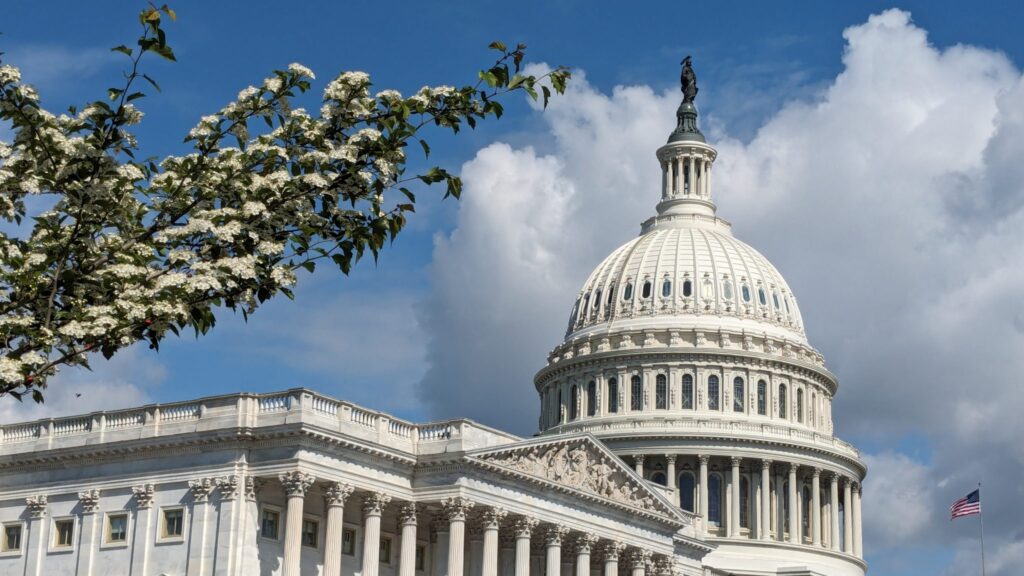
Taking their latest slate of challenges to Congress will not solve the problem. And with Congress’s reputation and track record, it’s certainly the wrong group for any meaningful assignment.
If the elected folks really are up for a challenge, maybe try the economy, health care or immigration.
Otherwise, leave college sports alone. There will be no protection, just more of the problems.
If those associated with college sports want to act, it’s up to them. Creative hard-working leaders, those administrators and coaches? Go ahead and lead. Go ahead and display the accountability and discipline you demand of the people on your teams.
The changes in big-time college athletics are coming faster than ever, it seems. And as someone who believes a college education (and books, room and board, tuition, meal plans, medical care, stipends and whatever else) has immense value, pay-for-play is problematic — but only because it’s different.
It’s not something from which the enterprise needs protection. Instead, those in charge need to address things themselves.
They do not need help. They can find it in the mirror, if they possess the determination, toughness and smarts they preach about — at least when they’re not asking for protection from themselves and the ingrained cheating DNA.
If you’ve enjoyed this content, please subscribe to Stuff Somers Says With Steve on YouTube. Or join our newsletter by entering your email below.